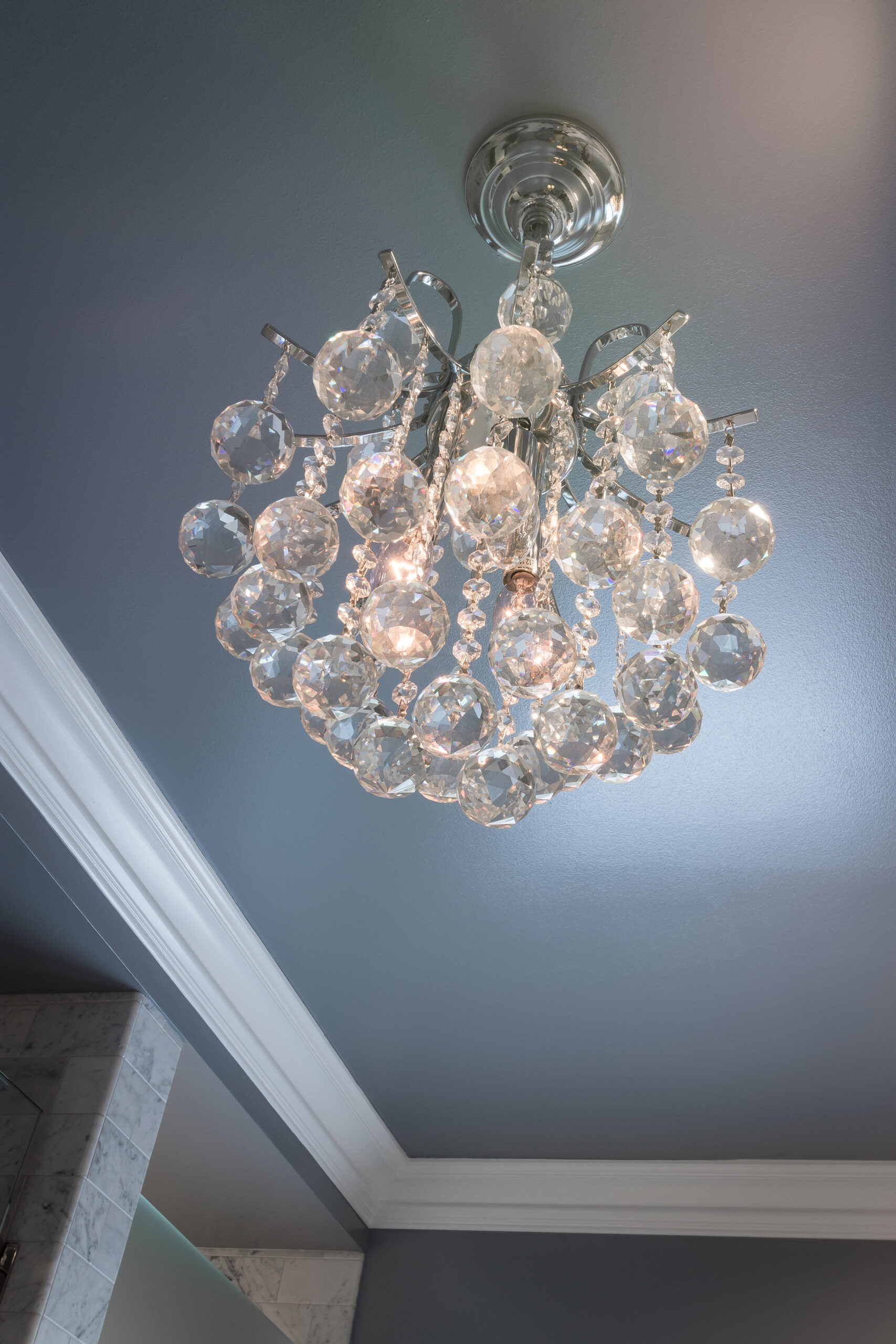
When homeowners begin planning a luxury remodeling project, much of the attention naturally focuses on visible features. Cabinetry, countertops, flooring, furniture, and finishes often dominate conversations and decision-making. While these elements certainly matter, one of the most important components of exceptional design is frequently overlooked: lighting.
You can invest in the finest materials available, but if the lighting is poorly planned, those investments will never reach their full potential. Lighting affects how every surface appears, how every room functions, and ultimately how people experience their homes. In luxury remodeling, lighting creates an environment that is comfortable, functional, and visually balanced.
Why Lighting Matters More Than Most Homeowners Realize
Many people have walked into a room that feels uncomfortable without knowing exactly why. A space may seem cold, gloomy, harsh, or unwelcoming despite having attractive finishes and furnishings. In many cases, the issue is not the design itself. It’s the lighting.
Poor lighting can diminish even the most beautiful spaces. Harsh glare can make rooms feel uncomfortable. Insufficient task lighting can create frustration during everyday activities. Inconsistent lighting temperatures can make carefully selected materials appear dull or unnatural.
Lighting also has a direct impact on how we feel. It influences mood, energy levels, focus, and relaxation. Thoughtfully designed lighting can make a home feel inviting and comfortable, while poor lighting can create unnecessary stress and fatigue.
The Difference Between Bright and Well-Lit
One of the most common misconceptions in remodeling is that brighter automatically means better. In reality, quality lighting is about balance and layering rather than simply adding more fixtures.
Kitchens offer a perfect example. Many homes feature rows of recessed ceiling lights that flood the room with light, yet homeowners still find themselves working in shadows while preparing meals. This happens because the lighting is concentrated overhead rather than being distributed where it is needed most.
Well-designed lighting plans combine multiple sources to create flexibility and improve functionality. Depending on the space, this may include:
- Recessed lighting, under-cabinet lighting, decorative fixtures, interior cabinet lighting, accent lighting, natural daylight, and independently controlled dimming zones
During a recent luxury kitchen remodel, our team incorporated linear LED ceiling lighting, architectural mini-can fixtures, under-cabinet lighting, interior cabinet lighting, and decorative pendants. Each lighting layer was independently dimmable and carefully matched to the same color temperature. The result was a kitchen that could transition seamlessly from bright task lighting during meal preparation to a warm, inviting atmosphere for entertaining.
How Layered Lighting Enhances Everyday Living
Luxury homes rarely rely on a single overhead fixture to illuminate a room. Instead, they use multiple layers of light that work together to create comfort and visual interest.
Ambient lighting provides general illumination throughout the space. Task lighting supports specific activities such as cooking, reading, grooming, or working. Accent lighting highlights artwork, architectural details, or textured materials. Decorative fixtures contribute character while reinforcing the overall design aesthetic.
When these layers are thoughtfully integrated, homeowners may not consciously notice the lighting itself. Instead, they simply experience a room that feels balanced, comfortable, and inviting.
The Luxury Details Many Homeowners Overlook
While decorative fixtures often receive the most attention, some of the most impactful lighting features are nearly invisible. Subtle design elements such as toe-kick lighting, stair lighting, mirror backlighting, closet rod lighting, and interior cabinet lighting can significantly improve both functionality and ambiance. These features add convenience while creating a more refined and customized feel throughout the home.
Soft pathway lighting, for example, allows homeowners to navigate safely at night without turning on bright overhead fixtures. Interior cabinet lighting adds depth and sophistication to kitchens and built-ins. Accent lighting can transform artwork and architectural features into focal points after sunset.
Common Lighting Mistakes That Impact Design
Even beautifully remodeled homes can fall short when lighting decisions are made without careful planning. One of the most common mistakes is mixing LED color temperatures throughout a space. Warm, cool, and daylight-colored bulbs interact differently with paint colors, wood finishes, fabrics, and natural stone. Inconsistent lighting temperatures can make a room feel disjointed and diminish the appearance of premium materials.
Another frequently overlooked element is dimmer control. Without dimmers, homeowners lose the ability to adjust lighting based on the time of day, season, or activity. Proper dimming capabilities provide flexibility while helping create a more comfortable living environment.
Bathroom vanity lighting is another area where problems often arise. Relying solely on overhead lighting can create harsh shadows that make grooming tasks more difficult. Effective vanity lighting illuminates the face evenly rather than casting light from above.
Finally, the growing popularity of ultra-thin wafer-style recessed fixtures has introduced new challenges. While these products can simplify installation, many produce significantly more glare than traditional recessed lighting solutions. Convenience during construction should never come at the expense of long-term comfort.
Lighting and Wellness Go Hand in Hand
The connection between lighting and wellness is becoming increasingly recognized among homeowners and design professionals. In Central Ohio, this relationship is particularly important. During the winter months, shorter days and prolonged periods of cloud cover can affect mood, energy levels, and overall well-being. The lighting inside our homes plays a significant role in how we experience these seasonal changes.
Modern lighting technology offers solutions that were unavailable just a few years ago. Full-spectrum lighting systems, tunable white lighting, and circadian lighting controls can help support healthier daily rhythms by mimicking natural daylight patterns.
Even smaller improvements can make a meaningful difference. Reducing glare, improving task lighting, and creating gradual lighting transitions throughout the day can enhance comfort while supporting overall wellness.
Good Lighting Makes Every Remodeling Investment More Valuable
One of the biggest misconceptions in luxury remodeling is that lighting should be addressed near the end of the project. In reality, lighting should be considered from the earliest stages of design.
Lighting influences how colors appear, how textures are perceived, and how comfortable a space feels. It affects everything from safety and functionality to relaxation and entertainment. The finest cabinetry, stone surfaces, flooring, and furnishings deserve lighting that allows them to perform at their best.
Ultimately, great lighting does more than illuminate a room. It enhances every design decision, improves everyday living, and helps create spaces that feel as exceptional as they look. For homeowners investing in luxury remodeling, few decisions have a greater impact on the final result.
Ready to Start Your Luxury Remodeling Project?
Exceptional remodeling is about creating a home that feels comfortable, functional, and uniquely tailored to the way you live. From architectural lighting and custom cabinetry to thoughtful space planning and fine craftsmanship, every detail matters.
If you’re considering a luxury remodeling project in Central Ohio, the team at J.S. Brown & Co. can help bring your vision to life. Contact us today to schedule a consultation and see how thoughtful design, expert construction, and attention to detail can transform your home for years to come.